

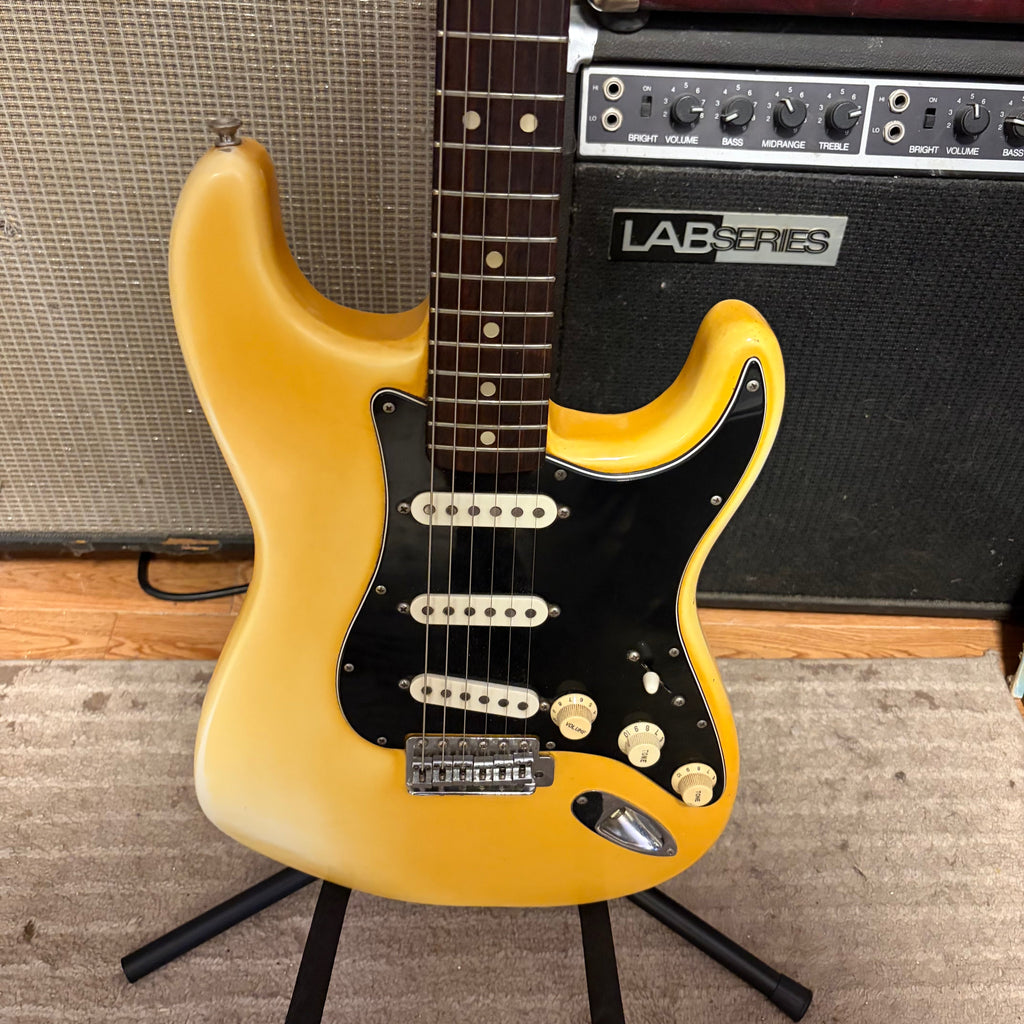
Owning a vintage guitar is one of the great joys of being a musician or collector. Whether it's a 1950s Gibson Les Paul, a 1960s Fender Stratocaster, or a pre-war Martin acoustic, these instruments carry decades of history — and they deserve the care to match. Here's everything you need to know to keep your vintage guitar playing and looking its best for years to come.
1. Control Temperature and Humidity
Vintage guitars — especially those with solid wood construction — are highly sensitive to changes in temperature and humidity. Extreme swings can cause the wood to crack, the neck to warp, or the glue joints to fail.
- Ideal humidity: 45–55% relative humidity
- Ideal temperature: 65–75°F (18–24°C)
- Use a room humidifier or a guitar-specific humidifier (like a Dampit) during dry winter months
- Never leave your guitar in a car, near a heating vent, or in direct sunlight
Investing in a digital hygrometer for your guitar room is one of the smartest things a vintage collector can do.
2. Store It Properly
When you're not playing your vintage guitar, how you store it matters enormously.
- In a case: A hard-shell case is the gold standard for vintage instruments. It protects against humidity swings, dust, and physical damage.
- On a wall hanger: Fine for guitars you play regularly, but make sure the hanger is rubber-coated and won't react with nitrocellulose lacquer finishes (common on vintage guitars).
- Loosen the strings slightly if storing for an extended period to reduce neck tension — but don't detune completely, as this can cause its own issues.
3. Clean It the Right Way
Vintage finishes — particularly nitrocellulose lacquer — are delicate and can be damaged by the wrong cleaning products. Here's how to clean safely:
- Body: Use a soft, lint-free cloth (microfibre is ideal). For light cleaning, a slightly damp cloth works well. Avoid silicone-based polishes, which can build up and damage nitro finishes over time.
- Fretboard: Unfinished rosewood and ebony fretboards benefit from occasional conditioning with lemon oil or a dedicated fretboard conditioner. Maple fretboards with a finish should just be wiped clean.
- Hardware: Chrome and nickel hardware can be gently cleaned with a dry cloth. Avoid abrasive cleaners that can remove plating.
Tip: When in doubt, less is more. A light wipe-down after playing goes a long way.
4. Change Strings Regularly (But Carefully)
Old strings sound dull and can harbour corrosion that damages frets over time. Change them regularly — but take care with vintage instruments:
- Change one string at a time to maintain consistent neck tension
- Use the correct gauge for your guitar — going heavier than intended can stress the neck and top
- On vintage acoustics, be especially careful around the bridge pins and bridge plate
5. Watch for Warning Signs
Regular inspection can catch small problems before they become expensive repairs. Look out for:
- Cracks in the finish or wood (especially around the neck joint and top)
- Lifting or separating seams on acoustic guitars
- Fret wear — flat spots or divots under the strings
- Tuning instability that wasn't there before
- Buzzing or intonation issues that develop suddenly
If you notice any of these, take your guitar to a qualified luthier sooner rather than later. Small repairs are almost always cheaper than letting problems worsen.
6. Set Up Matters
A proper setup — adjusting the truss rod, action, nut, and intonation — keeps your vintage guitar playing comfortably and sounding its best. We recommend having a professional setup done at least once a year, or whenever the seasons change significantly.
7. Know What You Have
Before making any modifications or repairs, research your specific instrument. Originality is a major factor in the value of vintage guitars. Replacing original parts — even worn ones — can significantly reduce a guitar's collectible value. When in doubt, consult an expert.
Ready to Add to Your Collection?
At Junction Guitars, we carefully inspect and set up every vintage instrument we sell. Browse our current selection of vintage guitars, vintage Fender guitars, vintage Gibson guitars, and used and vintage gear — and feel free to reach out if you have any questions about a specific instrument.
Junction Guitars is located in Toronto, Canada. We're passionate about vintage instruments and happy to share our knowledge with players and collectors at every level.




Comments